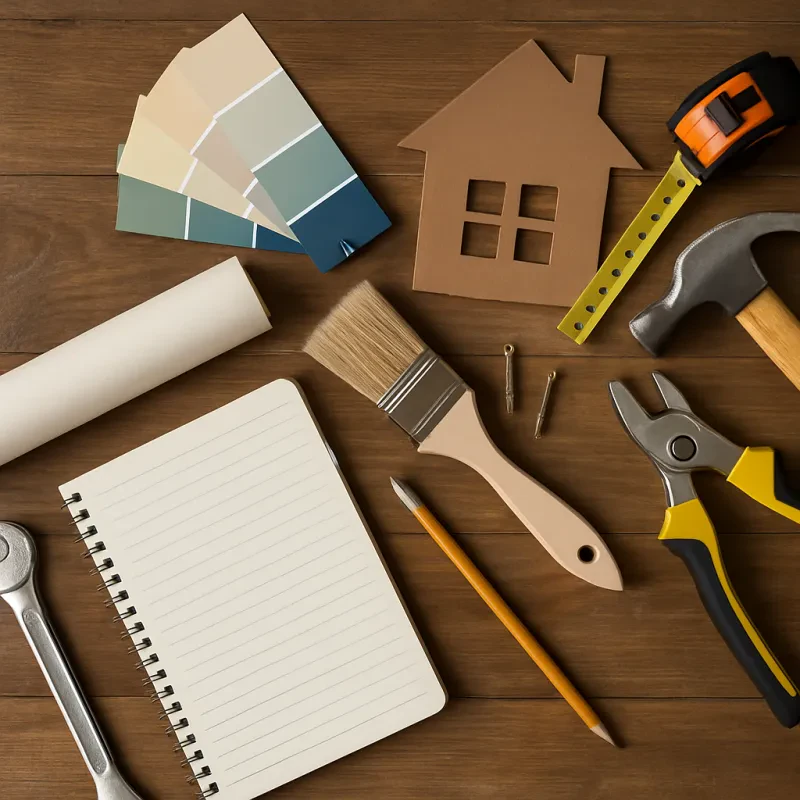
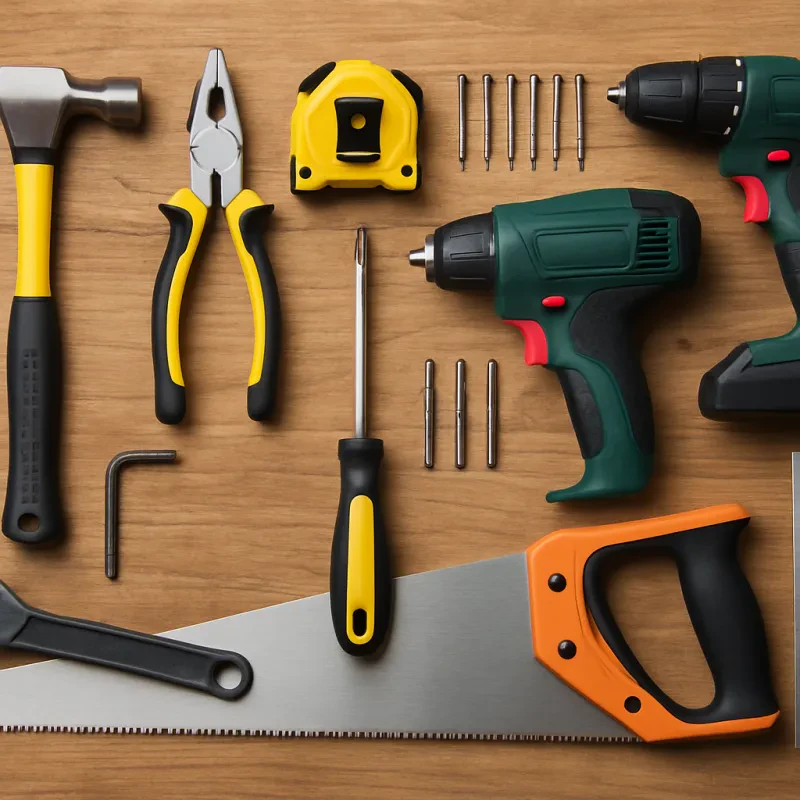
When it comes to DIY projects, knowing what you really need makes all the difference. Take some time to think about what you want to accomplish. Are you filling gaps in your home decor, tackling a big renovation, or just doing some quick fixes? Understanding your project can steer you toward the right tools and materials.
Make a list of the items you think you might need. This could be anything from paint and brushes to power tools and hardware. Keep it specific. For example, instead of writing "tools," try "cordless drill" or "screwdriver set." Having clear goals helps avoid impulse buys and saves money.
Also, factor in your skill level. Are you a seasoned DIY expert or just starting out? If you’re new to home projects, stick with tools and materials that are beginner-friendly. Many brands offer user-friendly options that help you get the job done without a lot of hassle.
Don’t forget to think about safety. Always check if you'll need protective gear like gloves, goggles, or masks. It’s better to be safe than sorry, especially when working with power tools or chemicals.
Finally, consider the space you're working in. Measure your area to avoid buying something that just won't fit. Whether you're revamping a cozy corner or tackling an entire room, knowing your space helps you pick the right products for the job.
Set a Realistic Budget
Setting a budget is super important when you're diving into DIY home projects. You want to make sure you're realistic about what you can spend, so you don’t get stuck halfway through a project without enough cash. Start by listing everything you’ll need—tools, materials, and any extras. This way, you won’t get any nasty surprises later.
Take a good look at what you can afford. It’s easy to get carried away in the excitement of a project, but stick to what you're comfortable with. Break down your expenses and set limits for each category. For example, if you’re renovating a room, set a certain amount for paint, flooring, and decor.
Once you nail down your budget, stick to it. It’s tempting to splurge on a fancy tool or trendy material, but remember your goals. Keep a little cushion for unexpected expenses, but the more you stick to your plan, the smoother your project will go. Happy DIYing!
Read Reviews and Ratings
When you're picking out DIY home products, checking reviews and ratings can be a game changer. Real feedback from other buyers helps you figure out if a product lives up to its promises. It’s like asking your friends for recommendations before making a decision.
Look for products with a solid number of reviews. A high rating with plenty of feedback means the product likely works well for lots of people. If you notice a lot of complaints or similar issues pop up in reviews, that’s a big red flag. You don’t want to invest your time and money into something that might let you down.
Keep an eye on detailed reviews too. They often give insights into how a product actually performs in real life. Did someone struggle with assembly? Did another person mention it lasted longer than expected? These little details can help you make informed choices and avoid surprises.
Also, don’t shy away from checking multiple sources. Different platforms can have varied ratings and opinions. Look at reviews on the retailer’s site, but also peek at independent review sites. This way, you get a well-rounded view before deciding on the right product for your DIY project.
Take Your Skills Into Account
Your skills matter when picking DIY home products. Are you a seasoned pro or just starting out? Knowing where you stand can make all the difference in your buying choices.
If you’re a beginner, look for simple products that don’t require advanced techniques. Think about items like pre-cut tiles or user-friendly painting kits. These types of products help you build confidence without the stress of a complicated project. Plus, they often come with clear instructions to guide you along the way.
If you're more experienced, you might want tools that allow for more creativity. Consider investing in high-quality paint sprayers or advanced power tools. These can give you the flexibility to tackle more ambitious projects. At this level, you probably know the difference between cheap gear and professional-grade tools, so don’t shy away from making those smart investments.
Your skill level can also affect how you perceive value. A beginner might see a basic tool as enough, while a pro might look for durability and versatility. Take time to think about how you’ll use a product and what will keep you motivated to take on new challenges.